

Cakes are pretty, delicious and loved by so many people. Today we look at some useful cake-making science that will make your cakes even tastier.
Cake is a hugely popular bake with many textures: dense, fine and buttery, or soft, fluffy and light enough to melt in the mouth. These different textures come from different mixing principles and techniques. So MK Unigroup brings you great techniques for three popular cakes: chiffon cake, sponge cake and butter cake. Try our methods and your cakes will be as delicious and precise as can be.
1. Chiffon Cake
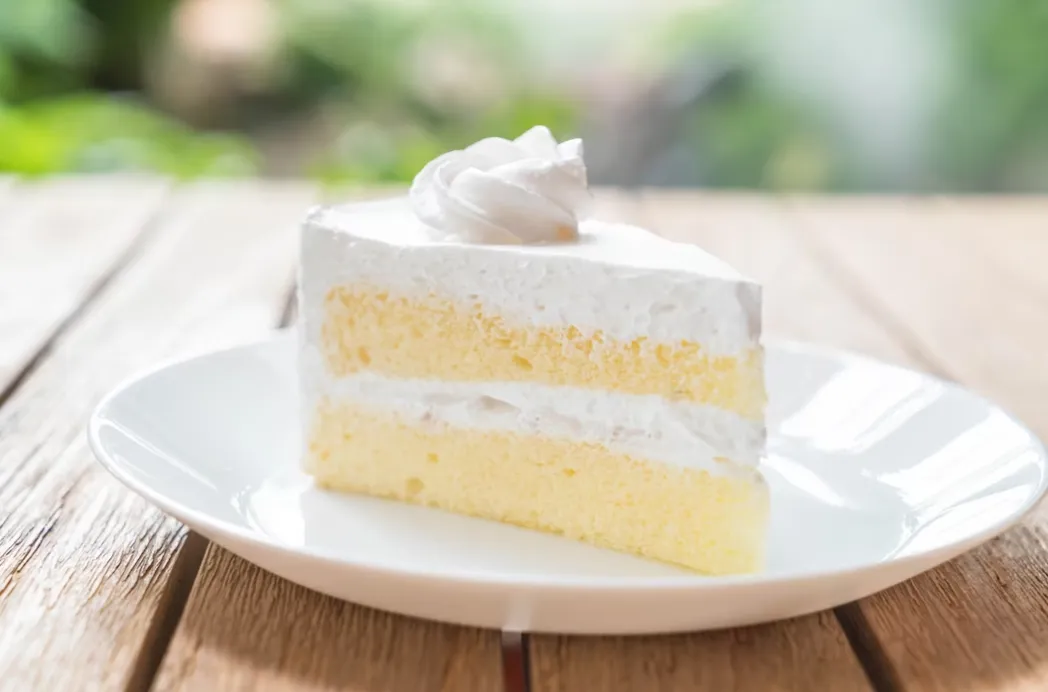
This cake rises by whisking the egg whites and yolks separately, giving a fine, light crumb. It is ideal topped with whipped cream or served with fresh fruit to enhance its flavour.
Ingredients
- 60 g cake flour
- 1/2 tsp baking powder
- 1/8 tsp fine salt
- 2 eggs (65–70 g each)
- 30 g + 40 g sugar
- 25 g plain fresh milk
- 40 g rice bran oil
- 1 tsp vanilla extract
- 1/4 tsp lime juice
Equipment: 1-pound round tin, baking paper, electric mixer
Method
- Preheat the oven to 180°C. Line only the base of the tin with baking paper and set aside.
- Sift the cake flour, baking powder and salt together twice.
- Separate the eggs into two mixing bowls. Add 30 g sugar, the milk, rice bran oil and vanilla to the yolks and whisk by hand to combine. Sift in the flour mixture and whisk until combined.
- Add the lime juice to the egg whites and beat with an electric mixer on high speed until coarse bubbles form. Gradually add the remaining sugar a little at a time. Reduce to medium speed and beat until the whites are thick and hold soft peaks.
- Whisk one-third of the egg whites into the yolk mixture, then gently fold in the rest with a rubber spatula. Pour into the tin and bake in the preheated oven for 22 minutes. When cooked, turn the cake out onto a rack, peel off the paper, turn it right side up and leave until completely cool. Then assemble or decorate the chiffon cake as you like.
2. Sponge Cake
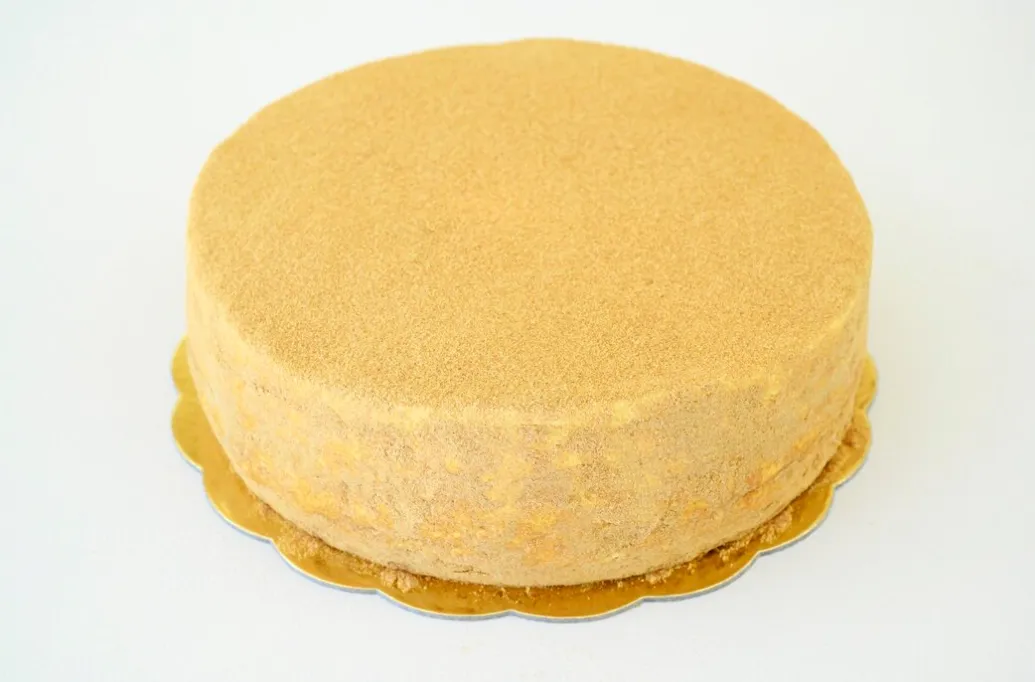
Like chiffon, sponge cake rises with eggs, but it has a coarser crumb because whole eggs are whisked until fluffy, and milk and melted butter are added at the end, giving the crumb a little elasticity. Sponge cake is ideal decorated with jam or cream for colour and appeal.
Ingredients
- 95 g cake flour
- 1 tsp baking powder
- 1/4 tsp fine salt
- 120 g plain fresh milk
- 15 g salted butter
- 2 eggs
- 120 g sugar
- 1 tsp vanilla extract
Equipment: 1-pound round tin, baking paper, electric mixer
Method
- Preheat the oven to 180°C. Line the base and sides of the tin with baking paper and set aside.
- Sift the cake flour, baking powder and salt together twice.
- Melt the milk and butter in the microwave and keep warm.
- Beat the eggs, sugar and vanilla together for about 10 minutes until pale and foamy. Sift in the flour mixture and fold gently until smooth. Pour the warm milk and butter onto a rubber spatula so it disperses before flowing into the batter, and fold gently until smooth. Pour into the tin, run a skewer through the batter to release air bubbles and tap the tin firmly 3–4 times. Bake in the preheated oven for 40 minutes. Turn the cake out onto a rack, peel off the paper, turn it right side up and leave on the rack until completely cool. If the top isn't fully cooked and is getting too dark, bake a little longer with foil over the top. Then assemble or decorate the sponge cake as you like.
3. Butter Cake
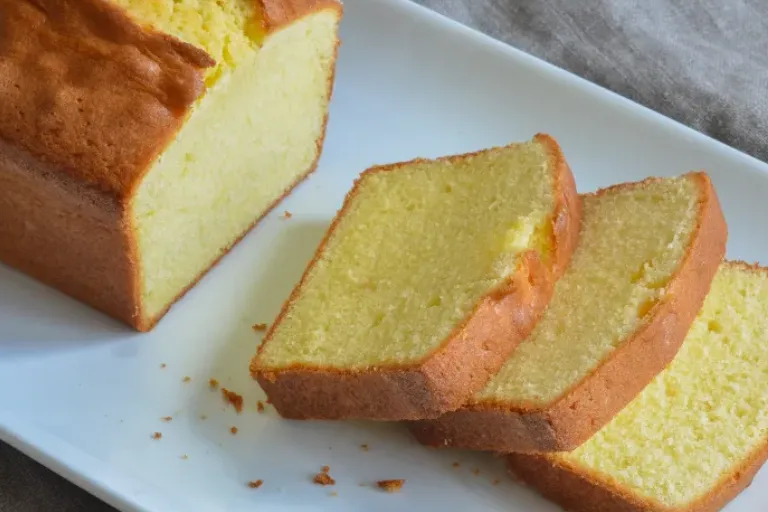
Butter cake is made mainly with butter, giving a rich flavour, buttery aroma and fine, smooth crumb, perfect for those who like a slightly dense cake. It is usually decorated with buttercream, which suits its crumb, and it holds the weight of buttercream better than other cakes.
Ingredients
- 190 g cake flour
- 3/4 tsp baking powder
- 1/4 tsp fine salt
- 170 g salted butter
- 150 g sugar
- 3 eggs (65–70 g each)
- 1 tsp vanilla extract
- 45 g plain fresh milk
Equipment: 1-pound round tin, baking paper, deep baking tray for a water bath, electric mixer
Method
- Preheat the oven to 160°C. Line the base and sides of the tin with baking paper and set aside.
- Sift the cake flour, baking powder and salt together twice.
- Beat the butter in a mixing bowl with an electric mixer until soft, then add the sugar and beat on the highest speed for about 5 minutes until fluffy and pale. Add the eggs one at a time, beating well, then the vanilla. Divide the flour into 3 portions and the milk into 2, and add them alternately, starting and ending with flour. Beat on the lowest speed until everything is combined. Pour into the tin, run a skewer through the batter to release air bubbles and tap the tin firmly 3–4 times. Place the tin in the baking tray and pour in hot water to about 0.5 cm up the side of the tin. Bake in the preheated oven for 60 minutes. Turn the cake out onto a rack, peel off the paper, turn it right side up and leave until completely cool. Then assemble or decorate the butter cake however you like.
All of these recipes make a 1-pound cake. We're confident these techniques will help you understand cakes better, bake more deliciously and enjoy the process, or even make cakes to sell as a business.


