

Today we want to help everyone get to know honey better. Honey has been part of our lives for a very long time: a natural sweetness that people have used to add flavour and to treat illness for ages. Going back to the very first Olympic Games, held in Rome 2,793 years ago, athletes would drink honey for an energy boost before competing, because honey contains glucose and fructose that the body can absorb and use immediately. Going back even further, the ancient Egyptians used honey instead of anti-inflammatory medicine to help heal chronic wounds after surgery, knowledge that has been passed down to modern medicine.
The goodness of honey has been known since time immemorial. But it is not only honey's benefits that make it valuable: behind every drop lies a complex and powerful story for the whole ecosystem, and for human life too. There is even a saying that if the world lost its bees, plant life could vanish from the earth within three years, because bees are a key mechanism in plant reproduction, the quiet hidden characters keeping the world fertile and producing the honey we have treasured for thousands of years.
Why Wild Honey Tastes So Complex
Honey is not just sweet, as we might think. Bees pollinate many different species of flowers, and the flowers of one forest naturally differ from those of another. Genuine wild honey therefore has complex flavours: some deeply sweet, some slightly tart, some with a bitter finish, so you can play a guessing game about which flowers a hive has been visiting.
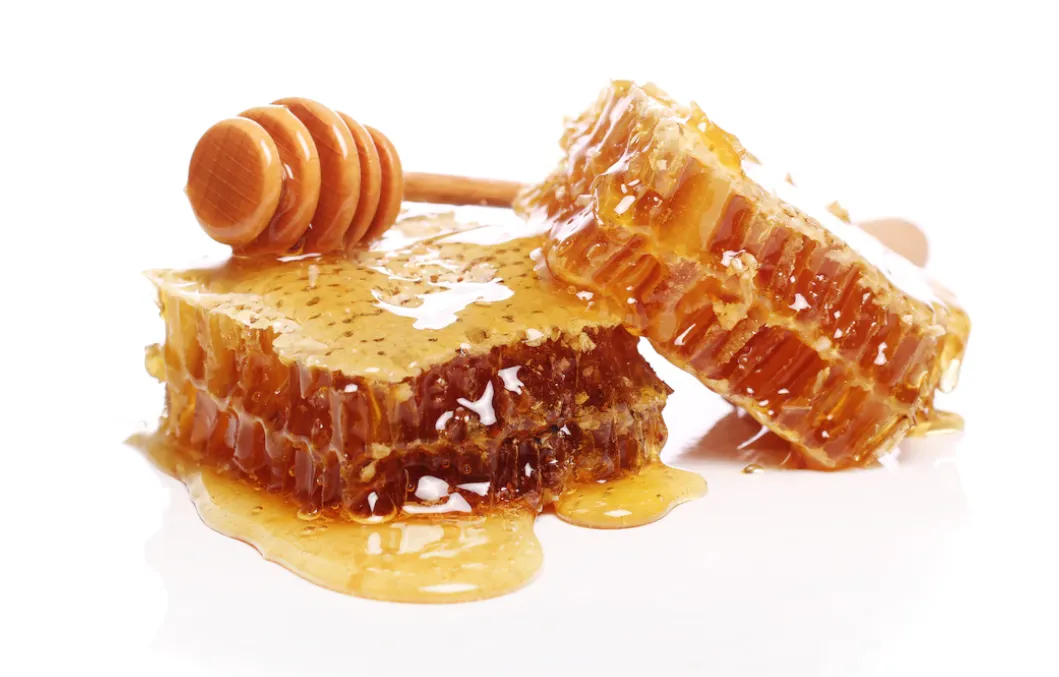
Wild Honey vs Farmed Honey
However, genuine wild forest honey is hard to find these days. Now that honey commands a good price, commercial production has stepped in to meet demand. Most honey comes from monoculture beekeeping: hives are placed in an orchard for a while, and the honey collected is bottled and sold. As a result, most honey on the market tastes simply sweet, like syrup. Worse still, some is not real honey at all, but sugar cooked until clear, dressed up with advertising and priced to look appealing.
The aroma and flavour of honey depend on many factors. The type of flower pollen the bees gather can make honey sour, sweet or bitter, or even give it a faint smoky note if a forest fire was burning near the hive. The type of bee also affects the flavour, because different species fly at different heights: cavity-nesting bees flying close to the ground collect different pollen from giant honey bees flying high up. Both are wild bees and hard to keep, so most honey in the market comes from imported, hardier, easier-to-keep domesticated bees. Wild honey from cavity-nesting and giant honey bees is a treasure only nature can provide.
Did You Know? Real Honey Never Expires
It is a big misconception that honey only lasts one to two years. In fact, "real" honey never expires (if stored in a suitable container and temperature), and the longer it is kept, the darker its colour and flavour become. The type of flower pollen also affects honey's colour and thickness, as does its moisture content: the more moisture, the thinner the honey and the weaker its flavour. That is why "fifth-month honey", from the fifth month of the Thai lunar calendar, is the most prized: it is the dry season, humidity is low and flowers are in full bloom, so this honey is thicker and has a deeper flavour than at any other time of year.
How to Store Honey
Although honey never expires, poor storage can degrade it or let mould grow. Simply keep it in a dry place, use only a clean spoon to scoop honey from the jar, and always close the lid tightly.
And that is the story of honey we wanted to share with you. Fun and very sweet, isn't it?


