
Cookies are a delicious treat loved all over the world, with a long history. Today MK Unigroup tells the story and the types of cookies, so you can learn something while you enjoy them.
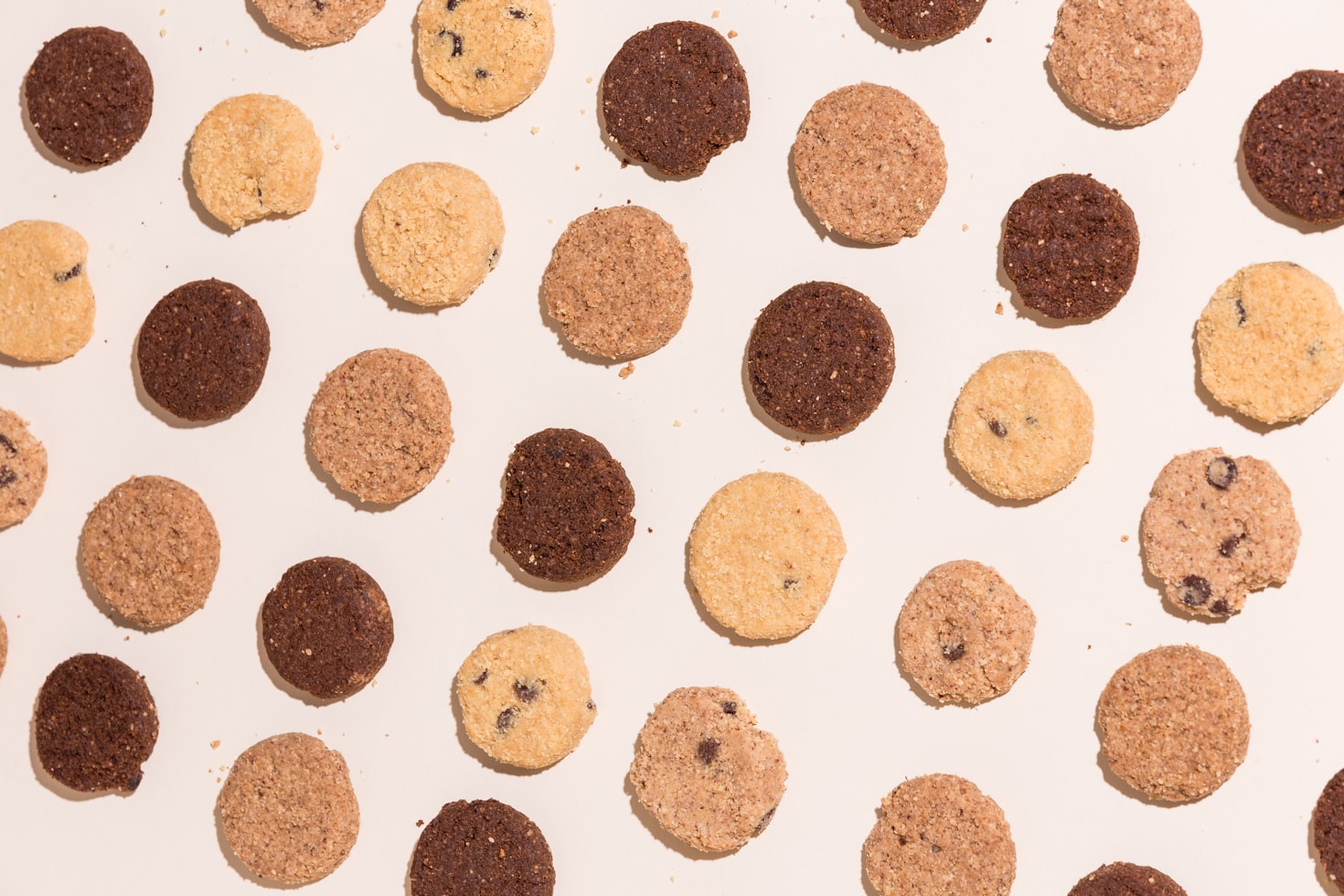
What Is a Cookie?
The word "cookie" comes from the Dutch koekje, meaning "little cake". Cookies are flat and made from wheat flour. Originally they were just small test bakes used to check the oven temperature before baking a cake, and later they became the cookies we know today. The name differs by country: "cookie" is used in the United States and Canada, while in the United Kingdom they are called "biscuits".
The History of Cookies
Cookies have a long history that goes back to the 7th century in Persia, now Iran. Cookies have become popular all over the world. After originating in Persia, they spread to Europe following the Muslim expansion into Spain. By the 14th century, cookies had become a favourite treat across Europe, so popular that they were sold in almost every bakery, convenience shop and upmarket restaurant.
Cookies keep for a long time, which is why travellers and people on the move often carry them, ready to eat whenever hunger strikes, since they last well and don't spoil easily.
Cookies are a staple snack at home to enjoy with tea or coffee, and they come in as many as six types: drop cookies, rolled cookies, pressed cookies, molded cookies, and bar cookies, among others. Let's see how each type differs.
Types of Cookies by Shape
- Drop cookies: The mixture is soft enough to drop from a spoon into various shapes, or you can use a piping bag with a nozzle. They can be topped with dried fruit and nuts such as cherries, raisins, cashews or almonds. Examples include milk cookies, butter cookies, dried shrimp cookies and cashew cookies.
- Rolled cookies: The dough is fairly dry and firm, so it can be rolled out into sheets with patterns or rolled into rounds. This dough must be chilled in the fridge until firm before cutting by knife or cutter and baking, for example fancy cookies and fruit cookies.
- Pressed cookies: Made from a very thick dough that can be rolled into sheets or pressed with moulds into patterns, such as toffee-topped cookies and Singapore cookies.
- Molded cookies: The mixture is fairly dry and high in fat, so it can be shaped well into stars, circles, birds, hearts and more.
- Bar cookies: Made from a soft, cake-like batter, usually baked in a tin and cut into pieces. They are often soft like cake, though some are crisp or chewy.
- Refrigerated cookies: Usually rolled into a log, chilled until firm, then sliced before baking. This dough can be kept for up to a month in the freezer.