
Lots of us love a delicious, colourful, adorable treat like cake, don't we? Today we're exploring the culture of eating cake, which goes far beyond its taste.
The Long Journey of Cake
Let's follow the journey of cake, which has a remarkably long history. The word "cake" comes from "kaka", an Old Norse word used by the Vikings. Cake is a usually sweet, baked food whose key ingredients are flour, sugar and other components such as fats like butter, cheese, yeast and milk. Eggs, vegetables and fruit are also added for sweet and tangy notes that make it even more delicious. It is said that around the 13th century, evidence was found of ancient Egyptian cake-baking. In ancient times cakes were mostly fruit cakes and gingerbread, while the round cakes we see today are thought to have appeared around the mid-17th century, when ovens, cake tins and granulated sugar were developed. Most cakes were eaten with wine or tea.
Europe and North America are like the heartland of cake culture. Originally most people made cakes as offerings to God and as food for the family, before the practice spread widely and cakes came to be used for important occasions as they are today. In France, "cake" refers not only to cakes but also to all kinds of fruit cake, while in the UK and the USA the word covers many sweets, such as iced cake and chocolate cake.
In some respects, Western cake culture also borrowed a little from Asia, for example making cakes smaller, like Japanese kasutera (castella). Even so, Asian cakes remain quite different from Western ones, such as mooncakes and Filipino rice cakes. A major turning point came in 1843 when Alfred Bird invented baking powder, making it possible to make bread without yeast for the first time. He was inspired by his wife, who was allergic to foods containing eggs and yeast.
When Western-Style Cake Arrived in Thailand
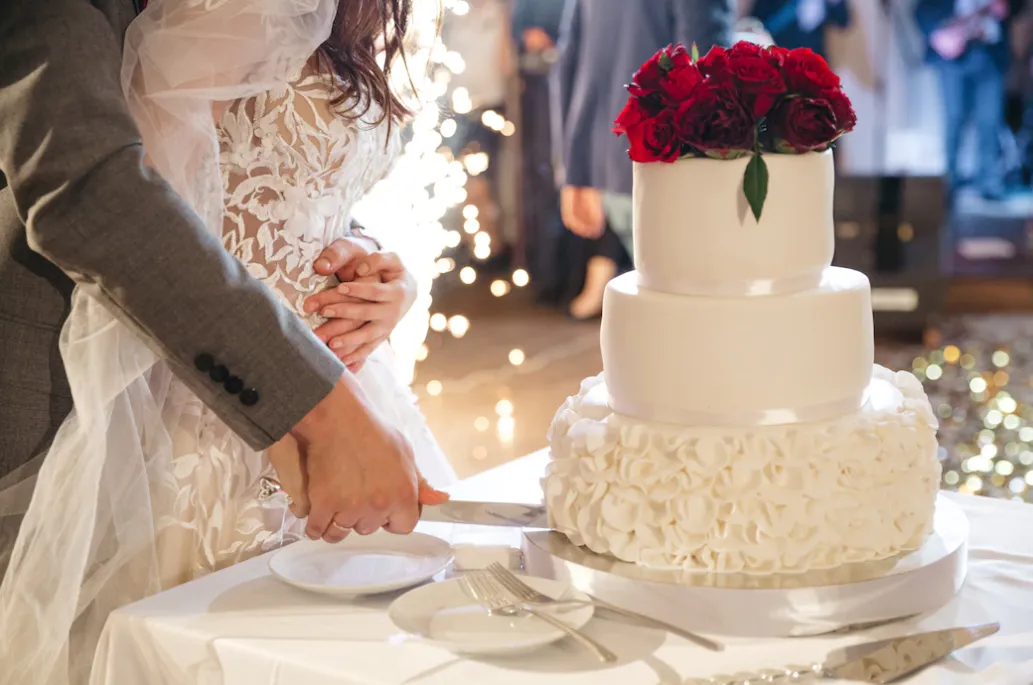
Cake culture is thought to have arrived in Thailand a little over 60 years ago, but at first its popularity was limited to Westerners living in Thailand or people influenced by Western culture. Only those close to foreigners had the chance to eat cake often. After the Second World War, Western cakes became more widely known and popular, thanks to foreign trade and investment and the boom in tourism and hotels. To cater for foreign guests unfamiliar with local food, hotels began producing pastries and cakes. Cakes also started appearing at parties, seminar receptions, weddings and birthday celebrations. The most visible change of that era was the growing number of bakeries opening to the public.
After the Vietnam War ended, the bakery business continued to grow in popularity and began to play a bigger role in Thai life. Baked goods are easy to eat and suit busy lifestyles, and enjoying them with coffee or drinks in cafés became popular. Meanwhile, various organisations began teaching baking and sharing cake recipes widely so people could make a living from them.
Cake as a Symbol of Happiness
You could say cake is like happiness. Today there's no denying that cake has become part of our lives. Even when we're tired, just "a slice of cake" lifts our spirits. Many people say that even amid the health-conscious trend, treating yourself to a delicious cake every now and then is a reward that brings joy to life. Because of this closeness, cake is no longer limited to weddings and birthdays; it is with us on every occasion.
Whatever the style, there's no denying that cake has become a symbol of fun, festivity and celebration, from grand, lavish events to small, cosy gatherings, or simply sitting in a café with a little slice or enjoying its lovely aroma. Cake connects us to every stage of our lives, and just eating it makes us happy.