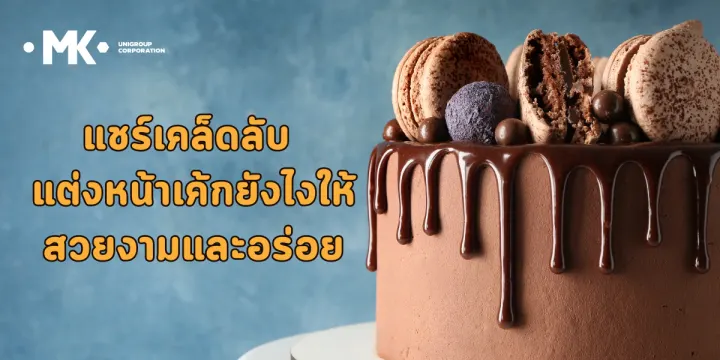
Cake decorating is an art form that lets you unleash your creativity and turn an ordinary cake into a stunning masterpiece. Whether you're a professional chef or a home baker, learning different cake decorating techniques can take your creations to the next level. Today we look at tips and techniques to help you create beautiful, delicious cakes that will impress your family, friends or customers.

1. Prepare the Cake
Before decorating, make sure your cake is properly baked and cooled. Level the top with a serrated knife or cake leveller to create a smooth surface for decorating.
2. Crumb Coat
The crumb coat is an important step in cake decorating. Spread a thin layer of frosting or buttercream all over the cake to trap the crumbs. This creates a smooth base for the final layer of frosting and stops crumbs from showing in the finished design.
3. Piping Techniques
Piping is a versatile, widely used decorating technique that involves piping bags and various tips to create beautiful designs. Here are some popular piping techniques:
- Roses: use a star tip to pipe roses with even pressure while moving the tip in a circle. This flower-like design can cover the whole cake or decorate just part of it.
- Borders: create professional-looking borders using a round tip to pipe shells, beads or ropes around the edge of your cake. Experiment with different sizes and patterns to add texture and dimension.
- Writing: practise your piping skills by writing messages or names on your cake with a small round tip. Squeeze gently and use steady, controlled movements for neat, legible lettering.
4. Decorating with Fondant
Fondant is a pliable icing-like substance that can be rolled out and draped over a cake to create a smooth, flawless finish. Here are some tips for working with fondant:
- Kneading: before rolling, knead the fondant until soft and pliable. This removes air bubbles and gives a smooth texture.
- Rolling: dust your work surface with icing sugar or cornflour to stop the fondant sticking. Use a rolling pin to roll it to the desired thickness, keeping it even.
- Covering: gently lift the rolled fondant and drape it over the cake, starting from the centre and gradually smoothing down the sides. Use your hands or a fondant smoother to remove wrinkles or air bubbles.
- Sculpting: fondant can also be shaped into decorative elements such as flowers, figures or intricate patterns. Use fondant tools, toothpicks and straws to create texture and detail.
5. Colour and Texture
Adding colour and texture to your cake can boost its visual appeal. Consider these techniques:
- Food colouring: use gel or powder food colouring to achieve vibrant shades without changing the consistency of your frosting or fondant. Start with a small amount and gradually add more until you reach the colour you want.
- Airbrushing: an airbrush kit lets you apply a fine mist of colour to your cake for a smooth, even finish. Experiment with different shades and stencils for beautiful designs.
Cake decorating is the perfect blend of art, technique and culinary skill. By learning a range of decorating techniques, you can create beautiful, delicious cakes that are sure to impress. Remember to start with a well-prepared cake, explore different piping techniques to add decorative elements, and experiment with fondant for a smooth, flawless finish. That's how you get a cake that's both beautiful and delicious.