

To make soft, fluffy, appetising bakes, two ingredients you can't do without are baking powder and baking soda. Many people wonder how they differ, since bakery recipes often use both together. Let's find out.
Bakery ingredients can be confusing, especially for beginners, and baking powder and baking soda leave many people unsure how to use them, because both do the same job: making bakes rise.

Baking Soda
Baking soda, or sodium carbonate, is an alkaline bakery ingredient. When it meets acid or heat, it reacts to produce carbon dioxide gas, which makes bakes rise. Baking soda is mostly used in bakes that contain acidic ingredients such as cocoa powder, banana, brown sugar, honey or sour milk. If you use baking soda in a bake with no acidity, it will give the bake a soapy, off taste. So if you want soft, fluffy, delicious results, use baking soda in acidic recipes.
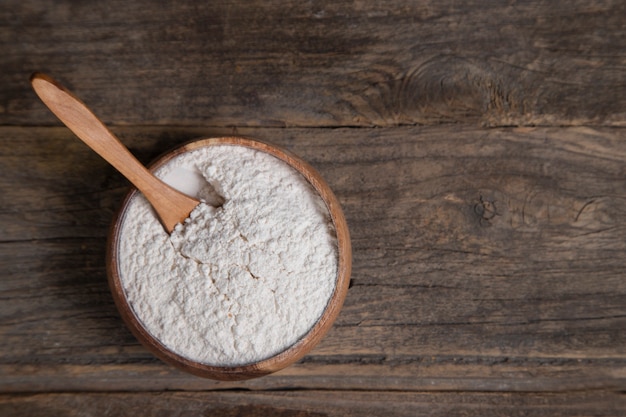
Baking Powder
Baking powder is similar to baking soda; in fact, it contains baking soda, and it also helps bakes rise. However, baking powder is weakly acidic, so water must be added when mixing to produce bubbles of carbon dioxide. Baking powder is typically used for pancakes and biscuits.
Baking powder comes in two types:
1. Single-Action Baking Powder
This type reacts (acid and alkali together) as soon as all the ingredients are mixed, so the batter should go into the oven straight away.
2. Double-Action Baking Powder
This type works well once acid is added. To use double-action baking powder, the first step is to mix the two powders together to prepare the leavening. The second step is to combine all the ingredients, including the prepared baking powder, and then the batter can go into the oven. This method means you don't have to rush. It may look complicated, but it is a good method for beginners, because baking takes time and patience.
Now you know how baking powder and baking soda differ. We hope this helps you choose the right one for each bake.